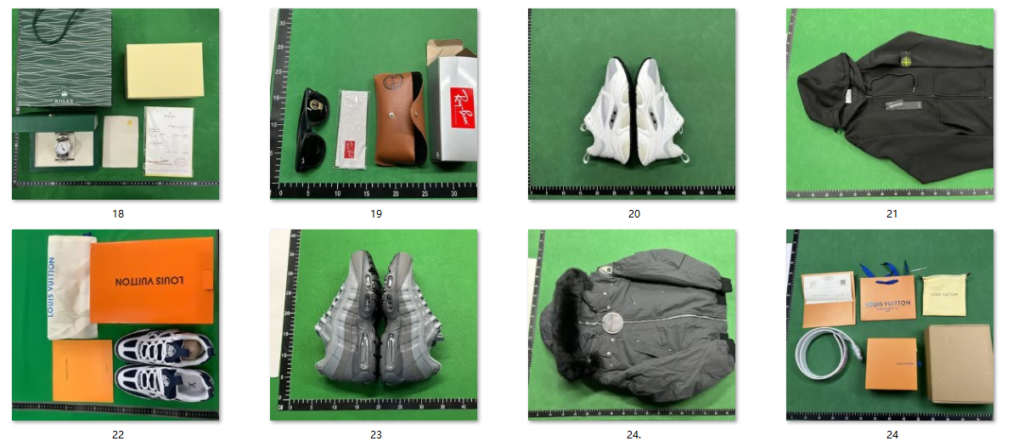
Finding the **best hoobuy spreadsheet** can completely change your shopping experience. When you visit these curation tools for the first time, they often look intimidating — packed with dense rows, cryptic factory tags, and bright colour-coded cells. However, it only takes a few minutes to learn the underlying language. Once you understand the basic grid layout, using a well-maintained shopping sheet will allow you to browse items, compare prices, and complete your hauls faster than anyone else. For many veteran buyers, having access to the **best hoobuy spreadsheet** is the absolute secret to unlocking massive discounts.
In this ultimate marketing and strategic guide, we will break down exactly how to navigate these curated files, decode factory batch codes, and utilize advanced features like quality control finders to maximize your savings.
—
The Core Columns of a Trusted Product Sheet
Most expert curators follow a standardized layout designed to help users scan hundreds of active links within seconds. When you open a popular link to the **best hoobuy spreadsheet**, you will typically encounter the following essential tracking columns:
Product Name:The specific model design, which often includes the precise colourway or special release year (e.g., “AF1 Triple White” or “M batch Dunks”).
Category:Broad filters to help you organize your haul, such as Shoes, Streetwear Clothing, Designer Bags, or Winter Accessories.
Seller Link / Product Link:The direct destination marketplace URL. This is the exact web link you copy and paste into your dashboard search bar to purchase the item safely from the **best hoobuy spreadsheet**.
Price:Usually displayed in indicative Chinese Yuan (CNY / ¥) so you can accurately estimate your total budget before sending items to the cart.
Batch Designation:The specific factory code representing the production version or quality tier of the product (see our detailed breakdown below).
Note / QC Remarks:Direct observations from the community or creator, including sizing tips (e.g., “Size up once for a loose fit”) or local shipping alerts.
—
Hoobuy Spreadsheet Batch Codes Decoded
If your goal is to find the absolute highest quality items on the market, you must learn how to read factory batch codes. These codes are short abbreviations representing the specific assembly line or independent factory that manufactured the product. Knowing these allows you to quickly filter through any **best hoobuy spreadsheet** to avoid budget batches when you want premium items.
Some of the most common high-tier and budget batch codes you will encounter include:
PK / PK Kim Batch:Highly praised worldwide for premium sneaker colorways, retail-accurate materials, and precise industrial stitching.
LJR Batch:Widely considered the gold standard for high-top basketball sneakers, classic leather models, and robust vintage collections featured on the **best hoobuy spreadsheet**.
VT Batch:A fantastic budget-friendly batch that offers incredible value for money on everyday casual flat shoes and simple designs.
LW Batch:The go-to specialized factory batch for slip-on slide sandals, foam runners, and futuristic comfort footwear.
Keep in mind that a higher price tag on a community sheet does not always guarantee a flawless product. What matters most is the historical community consensus, which is usually documented in the note column of the **best hoobuy spreadsheet** or shared on community forums.
—
Understanding Colour Coding & System Alerts
To make long browsing sessions seamless, professional curators utilize strategic color coding throughout their active rows. While every curator retains a slightly unique visual style, the general industry conventions follow these rules on the **best hoobuy spreadsheet**:
Green Row Highlight:Indicates a highly trusted seller, a verified high-quality batch tier, or a hot item that is currently on sale.
Yellow/Orange Row Highlight:Suggests a budget tier item where minor cosmetic flaws might be present, but the price is exceptionally low.
Red Row Highlight:Serves as an immediate warning flag. This typically means the item is currently out of stock, has known sizing inconsistencies, or the seller takes too long to ship items to the local agent warehouse.
Always remember to check the dedicated “Legend”, “FAQ”, or “Readme” tab of your chosen online sheet to see if the author is utilizing a customized color system for their **best hoobuy spreadsheet** version.
—
Icons, Emojis, and Using the Hoobuy QC Finder
Modern shopping sheets utilize visual emojis to save valuable grid space and convey crucial warehouse warnings instantly. When scanning a new row on the **best hoobuy spreadsheet**, keep a close eye out for these common interactive symbols:
* **⭐ Golden Star Icon:** Represents an “Editor’s Pick” or a verified community favorite item that has received flawless feedback.
* **📷 Camera Icon:** Indicates that real-time quality control photos are readily available. You can view these via a dedicated **hoobuy qc finder** tool to check the exact texture and stitching of the item before finalizing your package order.
* **🚩 Small Red Flags:** Used by experienced curators to mark region-specific international shipping restrictions or items that require specialized expert packaging lines due to weight.
—
Expert Tips for Smart International Hauls
Before you begin adding dozens of items to your shipping cart, there are a few expert warehouse strategies you should follow to save money and ensure a smooth delivery process.
First, always remember to calculate your estimated shipping weight. Heavy items like thick winter hoodies and thick-soled boots can quickly increase your shipping fees. Grouping your items by volumetric weight and removing retail boxes during the packaging phase can save you up to 30% on international shipping costs.
Second, pay attention to the domestic shipping time. Some sellers ship items to the agent warehouse within 48 hours, while others might take up to a week. Checking the community notes on your chosen **best hoobuy spreadsheet** will help you plan your hauls more efficiently so your items arrive at the warehouse at roughly the same time.
—
Tips for Managing Complex Multi-Row Products
Some complex items — like matching luxury tracksuits, multi-part designer sets, or modular technical gear — will span across multiple connected rows on a spreadsheet. In these specific cases, the spreadsheet architect will usually group the purchase links closely together. Make sure you open all relevant links in the cluster to ensure you don’t accidentally order just the track jacket when you fully intended to buy the complete matching outfit.
Ready to start building your next massive haul? Sign up today using our official **Hoobuy Registration Link ** to claim exclusive premium shipping coupons and introductory discount vouchers for your very first order. Don’t forget to pair this guide with an updated, active **hoobuy qc finder** to ensure every single item arriving at your warehouse looks absolutely flawless before it flies to your doorstep. Always bookmark the **best hoobuy spreadsheet** to stay ahead of the latest product drops!